Christian Daily International
Persecution Incidents
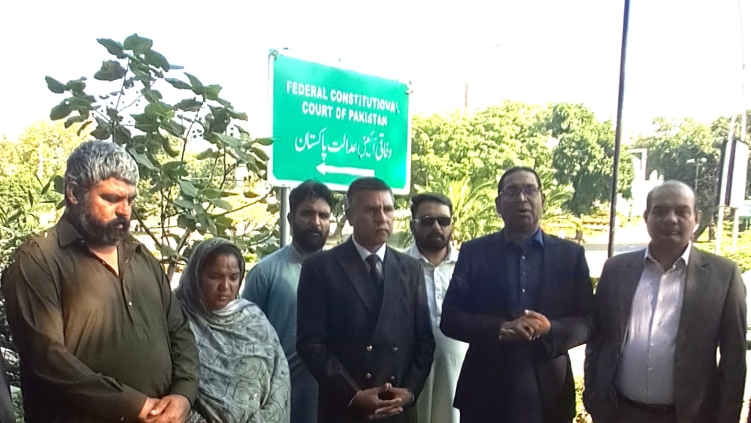
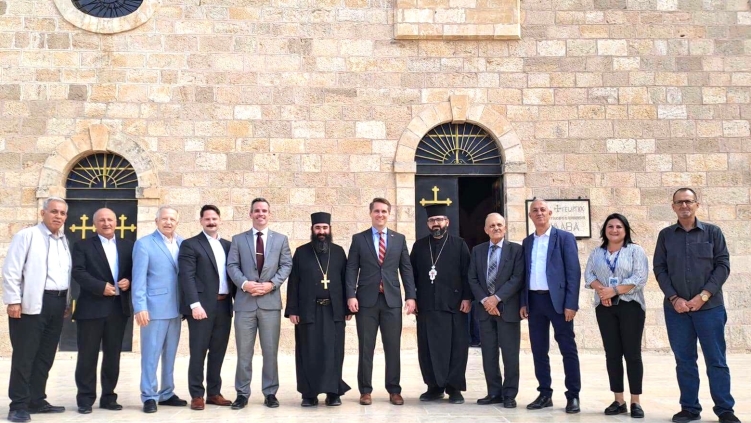
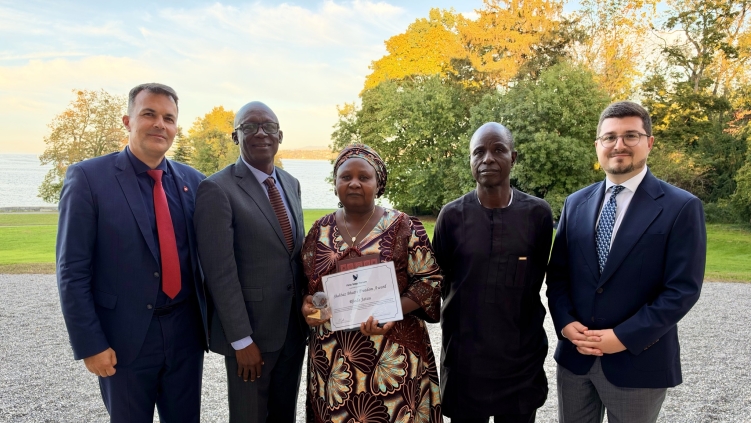
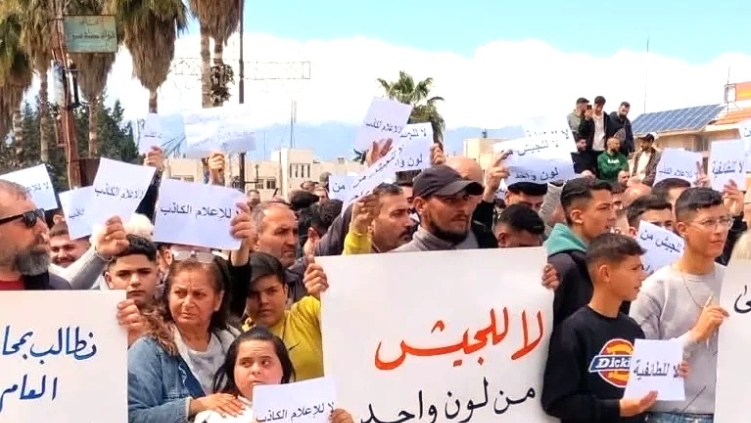
Islamic extremists kill Christians in mass shooting at funeral in Jordan Court in Pakistan adjourns hearing on Christians’ abducted daughter Christians among minorities killed, abducted in three-month period in Syria, report says Slain Christian harbored converts in western Uganda U.S. lawmakers told of Pakistan’s religious rights violations Petition in England objects to city council restrictions on street-preaching Pastors face death threats in refugee camp in South Sudan
-

Lula wins fourth term in Brazil as Flávio Bolsonaro rejects runoff result
Brazilian President Luiz Inácio Lula da Silva, 80, won a fourth term Sunday, defeating Sen. Flávio Bolsonaro, 45, in a runoff his opponent refused to accept. -
South Korean theologians say AI and brain technology push churches to revisit human dignity
Editor's Pick
In other news
Opinion



Most Read
-
Islamic extremists kill Christians in mass shooting at funeral in Jordan
-
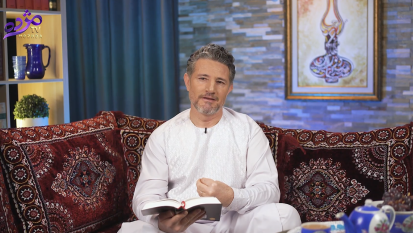
Mozhda TV goes on air as first Afghan Christian TV channel in historic launch
-
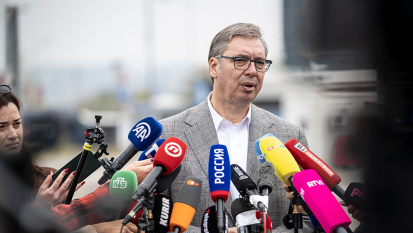
Serbia’s Vučić concedes election to student movement; evangelical pastor calls result ‘a miracle’
-
Bible App use surges across Africa as Senegal, Zimbabwe record 72% growth
-
‘AI cannot pray for us’: Indian AI specialist urges pastors to own their sermons